Kratom Strains: How Do Strains Differ?
Kratom Strains: How Do Strains Differ?
Kratom, a fascinating herbal supplement originating from Southeast Asia, has been making waves in the wellness and alternative medicine communities. Its popularity has led to the emergence of various strains and varieties, each with its own unique properties and potential effects. In this comprehensive guide, we’ll delve into the world of Kratom strains, exploring the differences between popular varieties like Bali, Maeng Da, and Thai, helping you make informed decisions on your Kratom journey.
FDA Disclaimer:
The information provided on this website is for general educational and informational purposes only and is not intended to diagnose, treat, cure, or prevent any disease. Statements made regarding kratom have not been evaluated by the Food and Drug Administration (FDA). Kratom is not intended for use by individuals under the age of 21. Always consult with a qualified healthcare provider before using any botanical product, especially if you have a medical condition or are taking any medications. Use responsibly.

What Are Kratom Strains?
Kratom strains are essentially different varieties of kratom leaves, each with its unique characteristics and effects. These differences arise mainly from three factors: the color of the veins in the leaves (red, green, or white), the age of the leaves when they are harvested, and how the leaves are dried and processed afterward. The vein color indicates the maturity and chemical makeup of the leaf, which can significantly impact the experience you might have when using kratom. Harvesting methods, such as selecting young versus mature leaves, and drying techniques—whether leaves are dried in sunlight, shade, or through specific processes—also greatly influence the final properties of each strain. Understanding these variations helps you choose a strain that aligns with your desired experience, whether that’s increased energy, relaxation, or something balanced between the two.
Understanding Strain Effects
Recognizing the typical effects of each kratom strain helps you match your selection to your needs:
- Red Strains: Generally calming and soothing, red strains are ideal for relaxation, reducing stress, and nighttime use.
- Green Strains: Known for their balanced and moderate effects, green strains can boost mood and provide moderate energy without being overly stimulating or sedating.
- White Strains: Typically energizing and stimulating, white strains are perfect for boosting alertness, productivity, and focus, especially during the morning or daytime.
Why Do Kratom Strains Differ?
The differences among kratom strains primarily stem from several key factors:
- Leaf Vein Color: Kratom leaves display natural color variations in their veins—primarily red, green, or white—which indicate maturity levels and alkaloid content.
- Harvesting Methods: The age and selection criteria of harvested leaves significantly influence the final strain characteristics.
- Drying Techniques: Post-harvest processing methods, such as sun-drying or shade-drying, further shape the unique properties and effects of each strain.
- Regional Differences: Soil type, climate, and growing conditions within specific regions can also influence the profile of kratom strains.
Importance of Choosing the Right Strain
Choosing the appropriate kratom strain is crucial, as each type provides a unique botanical experience. Some strains may offer more energizing properties, while others may support relaxation or offer balanced effects. Understanding these differences allows consumers to optimize their kratom experience according to personal goals, preferences, and daily routines.
This comprehensive guide will walk you through everything you need to know about kratom strains, including detailed profiles of popular strains such as Green Maeng Da, Red Thai, Red Bali, Green Malay, and White Maeng Da, along with guidance on how to determine which strain might be right for you.
Influences on Kratom Strains
Kratom strains exhibit a diverse range of characteristics influenced by multiple factors, including leaf maturity, harvesting methods, drying techniques, and environmental conditions. Understanding these influences can significantly enhance your knowledge and help you choose the most suitable strain.
Leaf Maturity & Selection
The age of kratom leaves at harvest plays a crucial role in determining the plant’s alkaloid profile, directly influencing its effects.
- Young Leaves: Generally associated with white vein strains, young leaves contain specific alkaloids that contribute to energizing and uplifting properties.
- Mature Leaves: Often harvested for green vein strains, mature leaves typically offer a balanced profile, combining moderate levels of stimulating and relaxing alkaloids.
- Older Leaves: Usually selected for red vein strains, older leaves tend to contain alkaloids that emphasize relaxing and calming effects.
Harvesting Techniques
The method and timing of kratom leaf harvesting can significantly impact strain quality:
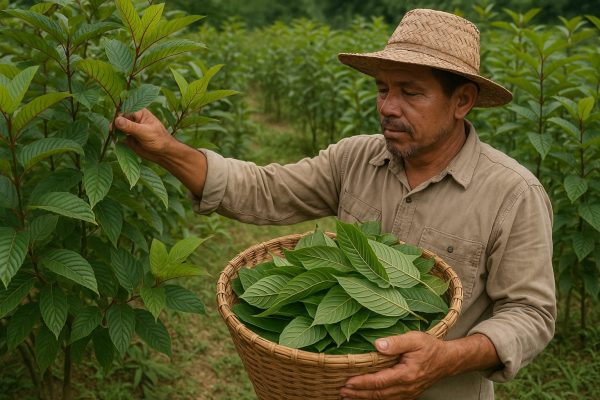
- Traditional Hand-Picking: Leaves are selectively hand-picked to ensure optimal maturity, preserving leaf quality and ensuring consistent alkaloid content.
- Modern Methods: Some commercial operations may use less selective methods, potentially affecting leaf quality and overall strain characteristics.
- Harvest Timing: Frequency and timing of harvesting cycles affect plant health and alkaloid concentration, influencing the consistency and potency of strains.

Drying and Processing Methods
Post-harvest processing is critical in defining the final characteristics of kratom strains:
- Sun-Drying: Often used for red vein kratom, this method involves exposure to sunlight, enhancing certain alkaloids responsible for relaxation and calming properties.
- Shade-Drying: Typically employed for white vein kratom, shade-drying maintains specific alkaloids, preserving the energizing and stimulating profile.
- Fermentation & Specialized Techniques: Certain strains undergo additional processes like fermentation, further altering their alkaloid content and enhancing unique characteristics.
Environmental Conditions
Regional environmental factors greatly influence kratom’s overall quality and specific traits:
- Soil Composition: Nutrient-rich soil directly impacts alkaloid content, influencing the potency and effectiveness of kratom strains.
- Climate Factors: Variations in rainfall, humidity, temperature, and sunlight exposure shape the development of alkaloids, differentiating strains by region.
Kratom Strain Profiles
Understanding the distinct characteristics, origins, and general uses of different kratom strains can help consumers select the most suitable options for their needs. Below are detailed profiles of the characteristics and benefits for the strains we offer.
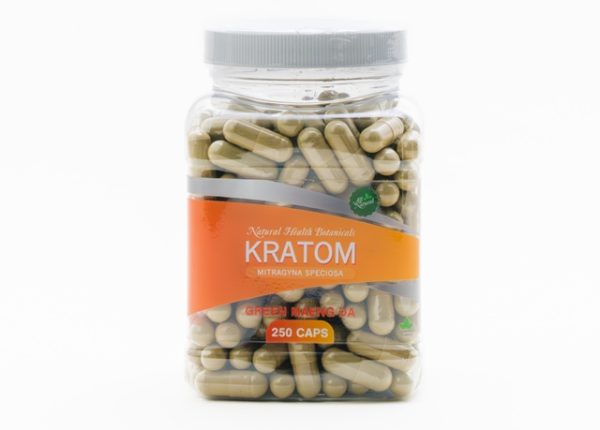
Green Maeng Da
- Origin and Background: Green Maeng Da originates primarily from Thailand. The term “Maeng Da” translates to “pimp grade,” signifying its superior quality and potency due to selective breeding and harvesting practices.
- Characteristics and Benefits: Green Maeng Da provides a balanced profile, offering both energizing and calming effects. It helps enhance focus, promotes a positive mood, supports emotional balance, and provides sustained energy throughout the day without overstimulation. It’s a versatile strain suitable for various daily activities and routines.
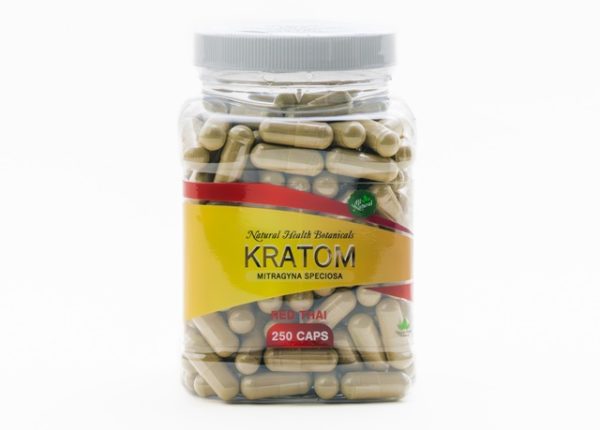
Red Thai
- Origin and Background: Red Thai kratom is cultivated primarily in Thailand, known for its traditional use and consistent quality derived from mature leaves.
- Characteristics and Benefits: Red Thai is popular for its calming and soothing properties, making it an excellent choice for relaxation and stress relief. It can help ease tension, encourage restful sleep, and promote a sense of tranquility. Many users find it beneficial for managing daily stress and unwinding at the end of the day.
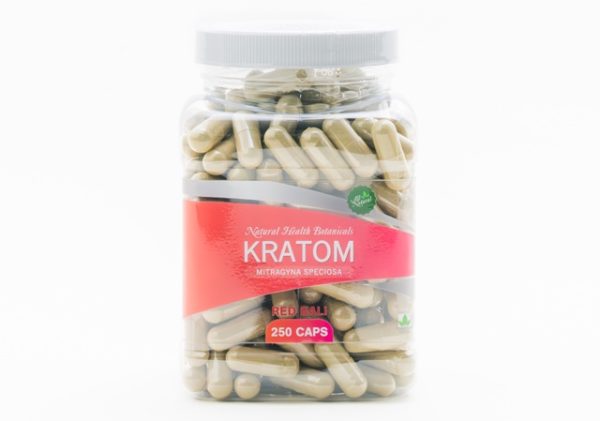
Red Bali
- Origin and Background: Originating predominantly from Indonesia’s Bali region, Red Bali kratom is known for its distinctively rich alkaloid composition.
- Characteristics and Benefits: Red Bali is highly regarded for its strong relaxation effects. It is especially beneficial for promoting deep relaxation, alleviating stress, easing physical tension, and supporting restful sleep. This strain is ideal for those looking for relief from a busy day and seeking a restful nighttime experience.
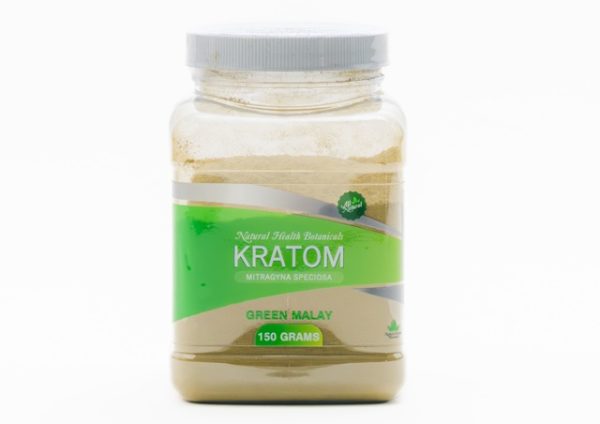
Green Malay
- Origin and Background: Sourced from Malaysia, Green Malay kratom is recognized for its unique alkaloid profile, influenced by regional climate and soil composition.
- Characteristics and Benefits: Green Malay is known for its larger leaves and higher alkaloid content, providing long-lasting, balanced effects. Users commonly experience improved mood, enhanced cognitive clarity, sustained energy, and overall sense of well-being throughout the day. It is particularly useful for maintaining steady energy and motivation without peaks and crashes.
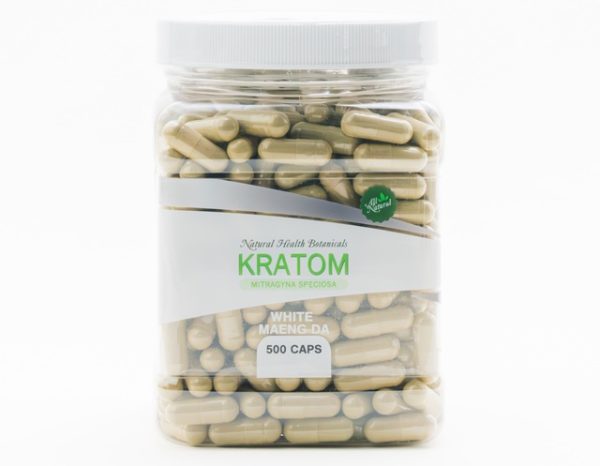
White Maeng Da
- Origin and Background: White Maeng Da, like its green counterpart, originates from selective harvesting and processing primarily in Thailand.
- Characteristics and Benefits: White Maeng Da is celebrated for its energizing properties. It boosts mental clarity, increases productivity, enhances focus, and provides motivation, making it ideal for morning use or tasks requiring concentration and alertness. This strain helps users tackle their daily tasks with heightened enthusiasm and vigor.
Common Uses
- Green Maeng Da: Daily use, various activities, balanced experiences.
- Red Thai: Evening relaxation, stress relief, restful downtime.
- Red Bali: Nighttime relaxation, deep restfulness, tension relief.
- Green Malay: Mood enhancement, sustained energy, balanced daily use.
- White Maeng Da: Morning/daytime use, enhanced productivity, mental clarity, sustained energy.