What is Kratom?
What is Kratom?
Kratom, scientifically known as Mitragyna speciosa, is a tropical evergreen tree native to Southeast Asia, related to the coffee plant. Traditionally valued in cultures throughout Thailand, Malaysia, Indonesia, and surrounding regions, kratom leaves have historically been harvested and processed for various traditional uses.
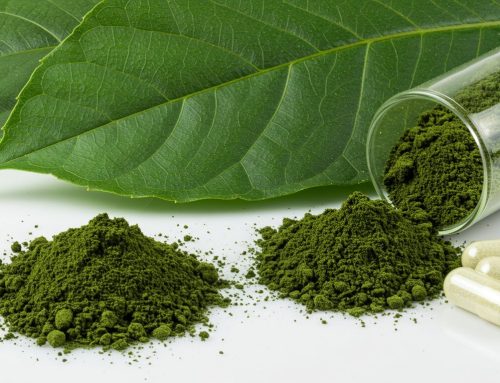
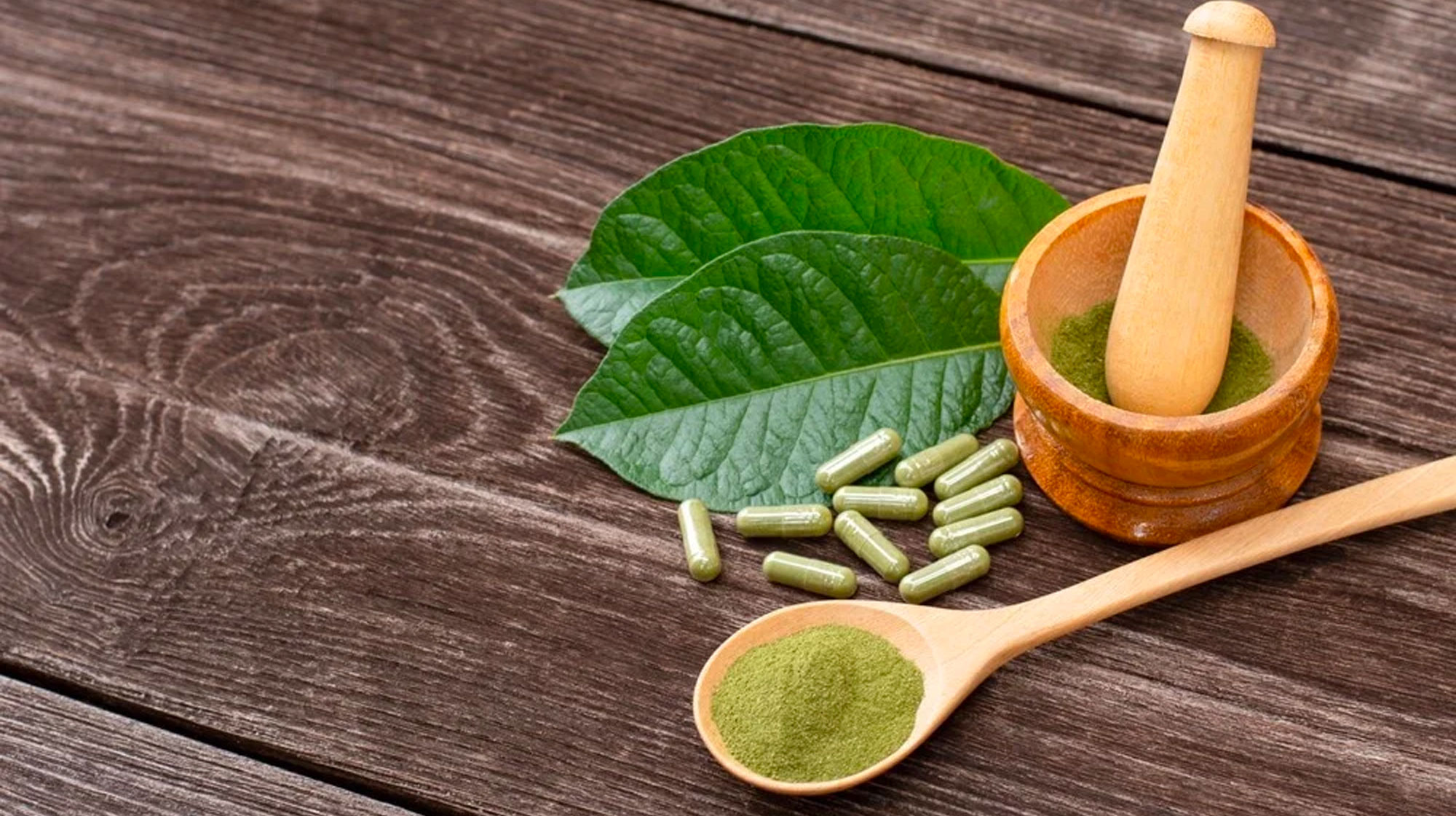
Today, kratom has found its way across the globe and is popular among those seeking natural botanical alternatives. The dried leaves are commonly ground into a fine powder, which can be purchased in raw form or encapsulated for convenience. Kratom also comes in concentrated extract forms, offering additional options for personal preference.
At NHB Kratom, we’re dedicated to educating consumers about this remarkable botanical. This guide aims to provide you with clear, factual information to help you understand what kratom is and how it can fit into your lifestyle.
FDA Disclaimer:
The information provided on this website is for general educational and informational purposes only and is not intended to diagnose, treat, cure, or prevent any disease. Statements made regarding kratom have not been evaluated by the Food and Drug Administration (FDA). Kratom is not intended for use by individuals under the age of 21. Always consult with a qualified healthcare provider before using any botanical product, especially if you have a medical condition or are taking any medications. Use responsibly.
History & Cultural Background
Kratom (Mitragyna speciosa) has a rich historical tradition dating back thousands of years in Southeast Asia. Indigenous communities in Thailand, Malaysia, Indonesia, and surrounding regions have utilized kratom leaves for countless generations, making it an integral part of their cultural practices and daily lives.
Traditionally, kratom leaves were harvested directly from wild-growing trees in tropical rainforests and jungles. Historical records suggest that local communities often chewed fresh kratom leaves, or dried and brewed them into tea, as part of their daily routines or cultural rituals. It was common practice for workers, farmers, and villagers to carry kratom leaves with them, using them throughout their day.
In various parts of Southeast Asia, kratom also had a significant cultural and social role. It was frequently shared among friends and family in social gatherings or served during ceremonial occasions as a respected botanical. Historical documentation shows that kratom was recognized and valued for its versatility and was woven into the fabric of community life across generations.
Today, these traditional practices continue in some areas, though modern processing methods have popularized kratom globally, transforming it into convenient forms such as powders, capsules, and extracts that can be easily distributed and consumed.
As interest in natural botanicals continues to grow worldwide, kratom’s long-standing cultural heritage underscores its enduring importance as a natural product that has bridged ancient practices with modern usage.

Harvesting and Processing Kratom
Harvesting Kratom
Kratom leaves are harvested by hand from the tropical Mitragyna speciosa tree, which grows abundantly in Southeast Asia. Skilled harvesters carefully select leaves based on maturity, quality, and intended product characteristics.
- Leaf Selection: Younger leaves differ from mature leaves, each providing distinct botanical profiles.
- Sustainable Practices: Ethical harvesting helps ensure tree health and future growth.
Processing Kratom Leaves
After harvesting, leaves are cleaned and sorted to remove impurities. They then undergo processing that typically involves:
- Removal of stems and veins.
- Grinding into a fine, consistent powder suitable for consumer use.
- Packaging the powder directly or further encapsulating it for convenience.
Understanding Kratom Strains and Drying Methods
What are Kratom Strains?
Kratom strains generally refer to varieties categorized by vein colors (Red, White, and Green), determined primarily by the leaf maturity and drying processes.
Drying Methods and Their Impact
The drying process significantly influences the botanical characteristics of kratom, creating distinct differences among strains:
- Red Vein Kratom: Mature leaves dried with direct sunlight or UV exposure, resulting in a deep, robust botanical profile.
- White Vein Kratom: Young leaves dried indoors or in shaded areas, preserving a distinctly subtle botanical quality.
- Green Vein Kratom: Leaves harvested at intermediate maturity, dried using partial shade and limited sunlight, producing a balanced profile between red and white varieties.
Maeng Da vs. Regional Strains
Most kratom strains have geographic identifiers, such as “Bali,” “Malay,” or “Thai,” reflecting the origin of the kratom. In contrast, “Maeng Da” is a Thai term historically meaning “Pimp’s Grade”—a name referring specifically to premium-quality kratom. Today, “Maeng Da” typically indicates selective processing or superior leaf quality rather than a geographic origin.
General Consumer Preferences
While consumers report personal preferences, individual experiences can vary significantly. Users generally describe the strains in broad terms:
- Red Vein: Known for its robust botanical profile.
- White Vein: Appreciated for distinctive subtleties.
- Green Vein: Preferred by consumers seeking a balanced experience.
How Does Kratom Come Packaged
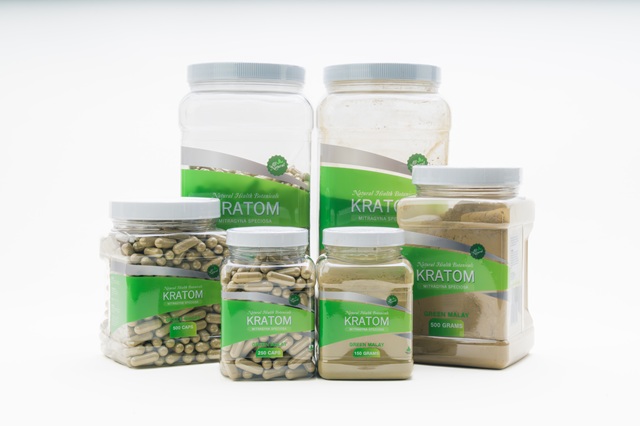
Kratom is available in various forms, offering consumers flexibility based on their lifestyle and preferences. Below are the most common product formats, along with their benefits and potential drawbacks.
Kratom Powder:
Kratom powder is created by finely grinding dried leaves, resulting in a versatile product.
Pros:
- Versatile; can be mixed into beverages, smoothies, or brewed as tea.
- Easy to customize serving sizes.
Cons:
- Can have a naturally bitter taste that some find challenging.
- Requires accurate measurement by the user.
Kratom Capsules
Pre-measured capsules contain kratom powder, offering simplicity and convenience.
Pros:
- Convenient and easy to use on-the-go.
- Pre-measured servings, eliminating guesswork.
Cons:
- Typically more expensive than powder.
- Serving size customization is limited.
Kratom Extracts
Extracts are concentrated forms of kratom, typically more potent per serving.
Pros:
- Concentrated and potent, requiring smaller servings.
- Convenient, quick consumption.
Cons:
- Usually more expensive per serving.
- May require careful measurement due to potency.
Responsible Use & Best Practices
Responsible usage is essential when exploring any botanical product, including kratom. The following guidelines can help ensure a positive, informed experience.
General Best Practices:
- Start Small:
Begin with smaller servings, gradually adjusting to your personal comfort level. - Accurate Measurement:
Use pre-measured capsules or an accurate scale for consistent serving sizes. - Proper Storage:
Store products sealed in a cool, dry place, protected from sunlight and moisture. - Stay Educated:
Regularly consult reputable sources to maintain awareness of best practices.
Tolerance and Responsible Usage:
Frequent or continuous use of kratom may lead to the development of tolerance, meaning higher servings could become necessary to achieve the same results. To minimize this, many consumers practice periodic breaks or reductions in use—commonly referred to as “tolerance breaks”.
Kratom Tolerance Breaks:
Regularly taking short breaks from kratom use can help manage tolerance and maintain consistent experiences.
Dependency Awareness:
Like many botanical and herbal products, prolonged and frequent use of kratom can result in dependency for some individuals. It’s important to remain mindful of personal consumption patterns and maintain responsible usage practices. If you have concerns about dependency or experience challenges managing your use, consider consulting a health professional for guidance.
Frequently Asked Questions About Kratom (FAQ)
Resources & Further Reading
To further educate yourself about kratom, consider the following reliable resources:
Educational Websites and Associations:
American Kratom Association (AKA)
An advocacy organization providing education, research updates, and legal information about kratom in the U.S.
www.americankratom.org
Scientific Research & Peer-Reviewed Publications:
National Institutes of Health (NIH)
Access peer-reviewed studies and current scientific research on kratom.
www.nih.gov
PubMed Central
A repository of peer-reviewed biomedical research, offering access to scientific articles about kratom and its components.
www.ncbi.nlm.nih.gov/pmc
Government Resources:
U.S. Food & Drug Administration (FDA)
Stay updated on current FDA statements, warnings, and regulatory status regarding kratom.
www.fda.gov
General Consumer Tips:
- Always check local laws regarding kratom before purchasing.
- Use trusted, reputable sources for products and education.
- Remain informed about regulatory changes or scientific developments related to kratom.
Article Contents