A Kratom Beginner’s Guide
A Kratom Beginner’s Guide
Kratom has gained increasing attention in recent years as more people explore natural alternatives for wellness and personal care. Derived from the leaves of the Mitragyna speciosa tree native to Southeast Asia, kratom is available in a variety of strains and forms, each with unique characteristics.
This guide is designed to help new users understand the basics of kratom, from what it is and how it’s used, to how to measure and manage dosage responsibly. While kratom has a long history of traditional use, it is not approved by the FDA for any medical purpose. As such, it’s important for users to educate themselves thoroughly and approach kratom with respect and caution.
Whether you’re curious about different strains, unsure how much to take, or just want to know what to expect your first time, this guide provides a foundational overview to get you started safely and confidently.
Disclaimer: This guide is for informational purposes only and does not constitute medical advice. Kratom is not approved by the FDA for the treatment, cure, or prevention of any disease or condition. Always consult with a qualified healthcare provider before starting any new supplement or botanical product.

What is Kratom?
Kratom comes from the leaves of the Mitragyna speciosa tree, a tropical evergreen native to countries like Thailand, Indonesia, Malaysia, and Papua New Guinea. Traditionally, people in these regions have used kratom leaves for centuries in cultural and social contexts, often by chewing the leaves or brewing them into a tea.
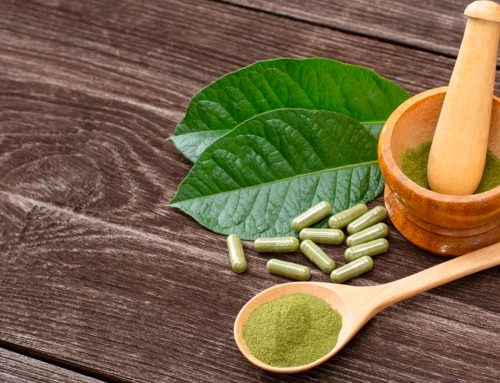
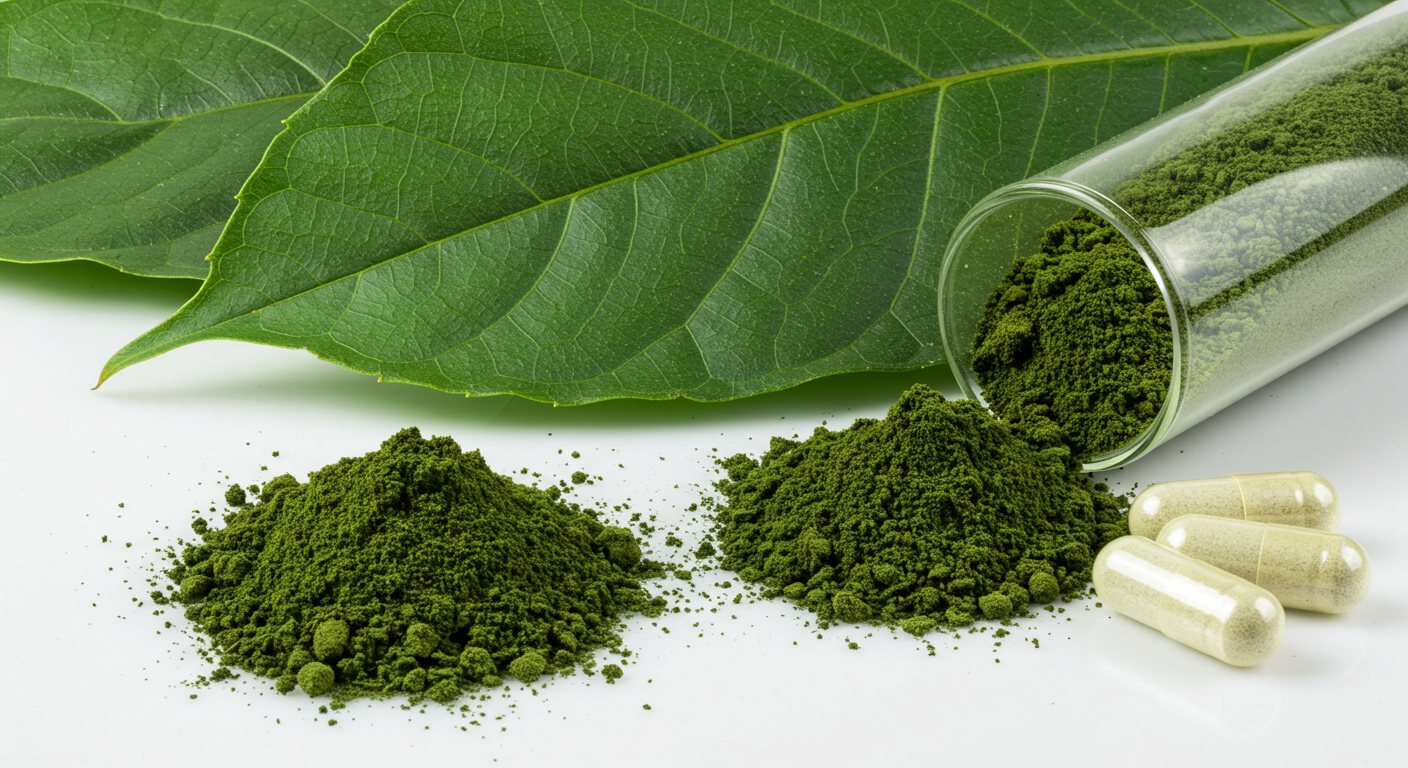
In modern markets, kratom is commonly available in several forms, including finely ground powder, capsules, tablets, and concentrated extracts. Each form offers different levels of convenience, potency, and onset time, depending on how it is consumed.
There are three primary strain categories commonly referenced by users and vendors:
- Red Vein: Typically associated with more calming or grounding effects.
- Green Vein: Often considered a balanced option, offering a middle ground between red and white strains.
- White Vein: Usually linked to more energizing or uplifting experiences.
The color of the vein refers to the stem and vein running through the kratom leaf and is generally used as a shorthand for its alkaloid profile. It’s important to remember that these categories are generalizations, and effects can vary based on growing conditions, harvest timing, and individual body chemistry.
Learn more kratom in our What Is Kratom guide.
How Kratom Works
Kratom contains naturally occurring compounds known as alkaloids, with the most prominent being mitragynine and 7-hydroxymitragynine. These alkaloids interact with receptors in the body, particularly in the brain, influencing how users may feel after consumption.
It is believed that these interactions can affect mood, perception, and energy levels. However, individual experiences vary widely based on a number of factors, including body chemistry, the specific strain used, the amount taken, and the method of consumption.
It’s also worth noting that kratom’s effects are considered dose-dependent. For example, lower servings may be associated with more stimulating experiences, while higher servings might lead to more relaxing sensations. These patterns are anecdotal and not universally experienced, making it important for new users to start with smaller amounts and assess their personal response.
Because kratom has not been extensively studied in clinical settings and is not FDA-approved for medical use, all information about its effects is based on user reports and traditional usage—not scientific consensus.
Understanding Kratom Dosage
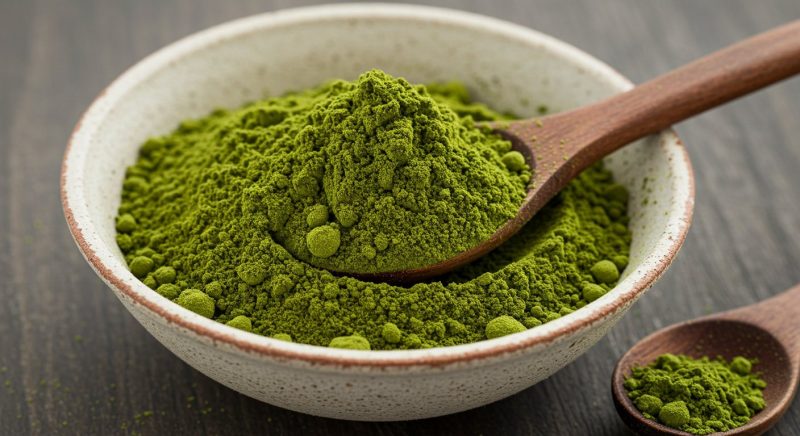
One of the most important aspects of using kratom responsibly is understanding how dosage affects your experience. Kratom is highly dose-dependent, meaning the amount you take can significantly change the effects you feel. Here’s a general breakdown of typical dosage ranges:
- Low Dose (1–2 grams): Often reported to produce more stimulating or energizing effects. Recommended for first-time users to assess sensitivity.
- Moderate Dose (2–4 grams): May provide a more balanced experience, potentially combining stimulation with a sense of calm.
- High Dose (5+ grams): Generally associated with more sedating effects. This level is not recommended for beginners and should be approached cautiously.
Key Factors That Influence Dosage
- Body weight and metabolism: Heavier individuals or those with faster metabolisms may require a slightly higher dose.
- Strain type: Different strains can produce different effects even at the same dosage.
- Tolerance: Regular users may find that they need more to feel the same effects, though it’s best to avoid building tolerance by taking breaks.
- Empty vs. full stomach: Kratom typically has a faster onset and stronger effects when taken on an empty stomach.
Best Practices
- Always start with a low dose, especially if you’re new.
- Wait at least 30–60 minutes to assess the full effect before considering taking more.
- Use a digital scale to measure your dose accurately.
- Keep a journal to track your reactions and find your optimal serving size.
Responsible dosing helps reduce the risk of unwanted effects and supports a more consistent experience over time.

Kratom Strains & Choosing the Right One
Kratom is typically categorized into three main strain types based on the color of the vein in the leaf: red, green, and white. These categories offer a general idea of what users might expect, though effects can vary significantly between batches and individuals.
- Red Vein Kratom: Often described by users as more grounding and relaxing. Commonly chosen in the evening or when looking to wind down. Beginners often start here due to the milder experience reported at lower doses.
- Green Vein Kratom: Tend to be the most balanced. Many users report a combination of energy and calm, making green strains a versatile option for daytime use or for those seeking a moderate effect profile.
- White Vein Kratom: Generally considered the most stimulating. May be chosen by those looking for a boost in alertness or focus. Due to their more energizing properties, these are often used earlier in the day.
Tips for Choosing a Strain as a Beginner
- Start with green vein if you’re unsure which type suits you best.
- Buy small sample sizes to test different strains.
- Stick to reputable vendors who provide clear labeling and batch testing.
- Keep a log of what you tried, how much you took, and how you felt to identify patterns.
Strain names can also include regional identifiers (like Maeng Da or Bali), but these are often branding terms rather than strict scientific classifications. The most important factors are your personal reaction and the product’s consistency.
Learn more about Kratom Strains.
How to Take Kratom
There are several common ways to take kratom, each offering different pros and cons in terms of convenience, taste, and onset time. Choosing the right method depends on your preferences and comfort level as a beginner.
Common Consumption Methods
- Toss and Wash: This involves placing kratom powder directly in your mouth and washing it down with water or juice. It’s fast and efficient, but the bitter taste can be intense.
- Capsules: A convenient option for those who want to avoid the taste altogether. Capsules take longer to digest, so effects may take longer to kick in.
- Tea: Brewing kratom powder or crushed leaves into a tea is a traditional method. It can reduce the bitterness slightly and may have a more gradual onset.
- Mixing with Food or Drinks: Some users blend kratom into smoothies, yogurt, or juice to mask the flavor. While this can make it easier to consume, the onset might be slower.
- Extracts and Tinctures: These are concentrated forms of kratom and not typically recommended for beginners due to their higher potency.
Tips for First-Time Users
- Start with a small dose regardless of the method.
- Avoid mixing kratom with other substances.
- Stay hydrated, especially if using kratom in powdered form.
- Choose a method that feels manageable and sustainable for you.
Understanding the different kratom consumption methods can help you have a smoother first experience and make more informed decisions about how kratom fits into your wellness routine.
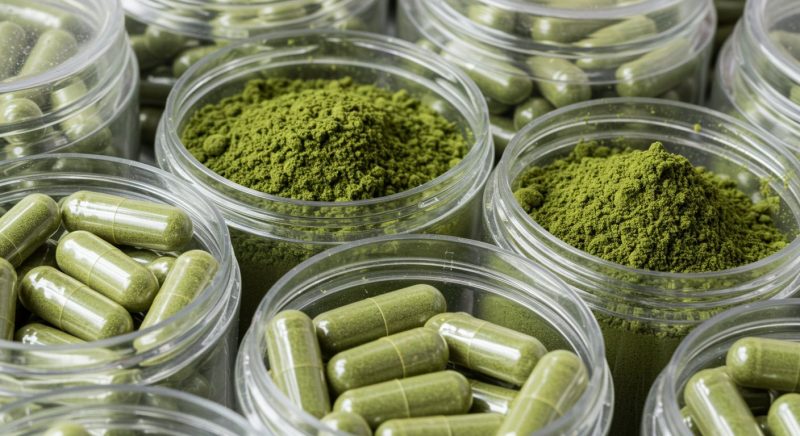
How to Store Kratom
Proper storage is essential for maintaining the freshness, potency, and shelf life of your kratom. When exposed to air, light, moisture, or heat, kratom can degrade over time, leading to reduced effectiveness.
Best Practices for Storing Kratom
- Use Airtight Containers: Store kratom in resealable bags, glass jars with tight lids, or other airtight containers to minimize exposure to air.
- Keep It Cool and Dry: Avoid heat and humidity, which can accelerate spoilage. A dark cupboard or drawer away from direct sunlight is ideal.
- Avoid Frequent Opening: Repeated exposure to air and contaminants can impact quality. If possible, divide large quantities into smaller containers for daily use.
- Label and Date Your Batches: Keep track of strain names and purchase dates so you can rotate your stock and use older batches first.
- Keep Away from Strong Odors: Kratom can absorb strong smells, so avoid storing it near spices, chemicals, or cleaning agents.
When stored properly, kratom can maintain its quality for many months. Consistent storage habits help ensure a more reliable experience each time you use it.
Learn more about how to store kratom properly.
What to Expect
Kratom affects each person differently, and many factors can shape your individual experience. While some users report a sense of stimulation or calm, others may feel something entirely different based on their dosage, strain choice, body chemistry, and other variables.
Onset and Duration
- Onset: Effects typically begin within 15 to 45 minutes after consumption, depending on the method used and whether the user has eaten recently.
- Duration: The effects may last between 2 to 6 hours, with higher doses tending to have a longer duration.
Common User-Reported Effects
Note: These are anecdotal and not medically confirmed.
- Increased alertness or energy (especially with white strains or lower doses)
- Sense of calm or relaxation (especially with red strains or higher doses)
- Enhanced focus or motivation
- A feeling of general well-being
Individual Variation
- Tolerance: Using kratom too frequently may reduce its effects over time.
- Hydration and Diet: These can affect how your body absorbs and responds to kratom.
- Mental State and Setting: Like many botanicals, your mood and environment can influence how you experience kratom.
Because kratom is not one-size-fits-all, it’s important to approach each session with awareness. Start slow, stay mindful, and take notes to understand how different conditions affect your results.
Tips for First-Time Users
Starting with kratom can feel overwhelming, but a few simple guidelines can help you approach it with confidence and care. These tips are based on common best practices shared by experienced users.
Start Low and Go Slow
- Begin with a small dose (1–2 grams) to see how your body responds.
- Avoid the temptation to take more right away; wait at least 60 minutes before deciding if you need more.
Track Your Experience
- Keep a journal noting the strain, dose, time of day, and your experience.
- Tracking helps you identify patterns and find what works best for you.
Stay Hydrated
- Kratom can be mildly dehydrating. Drink plenty of water before and after use.
Avoid Mixing Substances
- Do not combine kratom with alcohol, medications, or other substances.
- Interactions may be unpredictable and potentially harmful.
Choose the Right Environment
- Try kratom in a calm, familiar setting your first few times.
- Having a relaxed environment can positively influence your experience.
Listen to Your Body
- Everyone reacts differently. If you feel off or uncomfortable, stop and reassess.
- Take regular breaks to avoid building tolerance.
These precautions can make your first experiences more predictable and help you establish a responsible relationship with kratom over time.
Legal & Safety Considerations
Before using kratom, it’s important to understand the legal status and safety guidelines surrounding its use. Laws vary by region, and responsible use is essential for personal well-being and broader community awareness.
Legal Status
- In the United States, kratom is legal at the federal level, but banned in some states and municipalities. Always check your local laws before purchasing or possessing kratom.
- Some countries have also outlawed kratom, so international travel with the product may carry legal risks.
Purchasing Safely
- Buy from reputable vendors who conduct third-party lab testing and clearly label their products.
- Avoid products that make medical claims, as these are not compliant with FDA guidelines.
General Safety Guidelines
- Do not mix kratom with other substances, including alcohol, prescription medications, or recreational drugs.
- Use moderation: Daily use can lead to tolerance and dependence in some individuals.
- Take breaks regularly to help maintain kratom’s effectiveness and minimize potential risks.
- Store kratom safely, out of reach of children and pets.
Staying informed and using kratom responsibly ensures a safer experience and supports ongoing access for responsible adults.