Is Kratom Safe? What You Should Know
Is Kratom Safe? What You Should Know
When people first hear about kratom, one of the first questions they ask is: “Is it safe?” It’s a fair question — and an important one. Kratom is a natural botanical that’s gained popularity in recent years, but like any substance, it deserves to be approached with awareness and responsibility.
This guide will walk through what “safety” really means when it comes to kratom, outlining the most important factors to consider, common cautions, and what consumers can do to make informed decisions. While we don’t make claims about the effects or benefits of kratom, we believe education is the foundation of safe, confident use.
Disclaimer: This content is for informational purposes only and is not intended to diagnose, treat, cure, or prevent any disease. Kratom is not approved by the FDA, and statements made here have not been evaluated by the Food and Drug Administration. Always consult with a healthcare professional before using kratom or making decisions about your health.
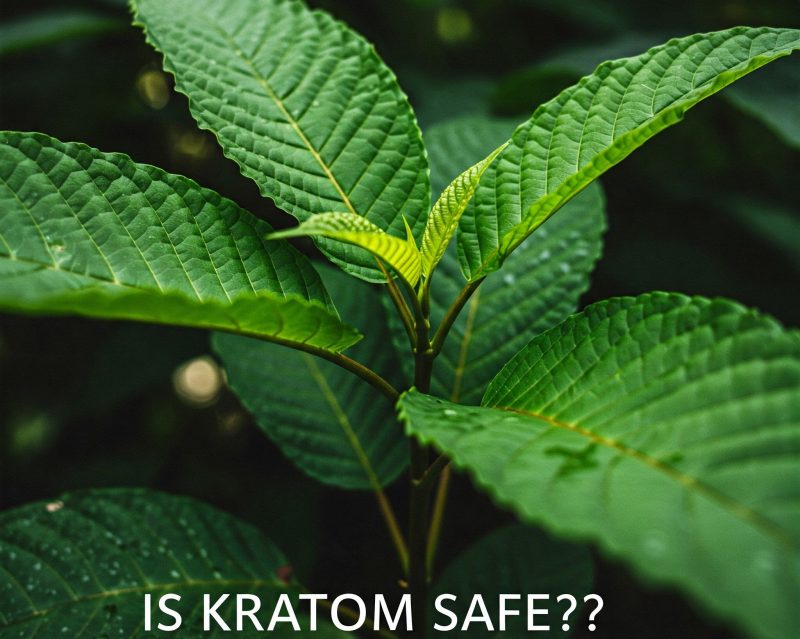
What We Mean by “Safe”
When people ask if kratom is safe, it’s important to clarify what “safe” actually means — because it can vary based on how it’s used, who’s using it, and where it’s coming from.
Kratom is a natural plant, but natural doesn’t automatically mean risk-free. Like many herbs or supplements, kratom can have different effects for different people. One person’s positive experience might not match another’s — and that’s why context matters.
Rather than trying to define kratom as universally safe or unsafe, it’s more useful to think about safety in terms of risk awareness. Safety isn’t just about what kratom is — it’s about how much you know before you use it, how cautious you are about sourcing, and how intentional you are in your approach.
In short, being safe with kratom isn’t about guarantees. It’s about making informed, thoughtful decisions. The better informed you are, the better chance you have of using kratom responsibly — or deciding if it’s right for you at all.
Factors That Influence Safety & Things to Be Cautious About
Kratom’s safety depends on how it’s used and the choices made by the person consuming it. While many people report positive experiences, there are several key factors and common pitfalls that can impact overall safety. Being aware of these variables allows users to make more responsible, informed decisions.
- Product Quality: The first step in reducing risk is choosing clean, well-handled kratom. Products should be lab-tested for contaminants like bacteria, mold, or heavy metals, and sourced from vendors who are transparent about their practices. Always look for certificates of analysis (COAs) from third-party labs, and avoid products with vague or missing ingredient details. Packaging should be secure and labeled with harvest or batch information. Choosing a reliable supplier is the foundation of safe use.
- Serving Size and Frequency: Taking large servings or using kratom several times a day can lead to tolerance, diminished effects, or potential dependency over time. Starting with the lowest possible serving allows users to gauge how their body responds before increasing. Regular breaks or “off days” can help prevent habit formation. Long-term users often develop a rhythm that balances consistency with moderation to maintain sensitivity to the plant over time.
- Mixing with Other Substances: Combining kratom with alcohol, prescription medications, or other herbs can produce unpredictable effects. These mixtures may amplify sedation, strain the liver, or trigger unexpected reactions. Even common over-the-counter substances like antihistamines or pain relievers could interact negatively. Many users choose to keep kratom use isolated from other substances to avoid unnecessary complications.
- Personal Health Factors: Everyone’s body is different. Age, weight, gender, metabolism, and overall health can all influence how kratom is processed. Some individuals may be more sensitive to certain strains or serving sizes, while others may not notice effects at all. People with underlying medical conditions, especially involving the heart, liver, or mental health, should be especially cautious. Consulting with a healthcare provider before trying kratom can help reduce personal risk.
Staying cautious doesn’t mean being afraid — it just means being thoughtful. By understanding these risk points, users are better equipped to approach kratom with respect and care.

Legal and Regulatory Notes
Kratom exists in a legal gray area in the United States. It is not currently approved by the Food and Drug Administration (FDA), which means it cannot be marketed for medical use, treatment, or prevention of any condition. However, it is also not federally banned — leaving it up to individual states, counties, and municipalities to decide how it’s regulated.
- State-by-State Variation: Some states have restricted or banned kratom, while others have introduced regulations aimed at ensuring product safety and consumer transparency. These rules can change, so it’s essential to check your local laws before purchasing, possessing, or using kratom — especially if you’re traveling.
- What FDA Non-Approval Means: Since kratom is not FDA-approved, there are limits on how it can be marketed or labeled. Brands cannot legally claim that kratom has specific health benefits or therapeutic uses. Products should include disclaimers and avoid language that positions kratom as a cure, remedy, or treatment.
- Importance of Responsible Vendors: Because kratom isn’t federally regulated like pharmaceuticals or food, it’s up to vendors to self-regulate. Reputable companies voluntarily test their products, use proper labeling, and follow good manufacturing practices. Buying from these vendors helps reduce risk and supports a safer marketplace.
Staying aware of the legal landscape is part of using kratom responsibly. Laws can shift quickly, and being informed protects not just your health, but your rights as a consumer.
Making Informed Decisions
When it comes to kratom, informed decisions are the cornerstone of safe and responsible use. That means understanding the product you’re using, listening to your body, and staying up to date on relevant information.
- Do Your Research: Read about kratom from multiple, credible sources. Learn the basics about strains, sourcing, serving sizes, and proper storage. Avoid content that makes unsupported claims or promises guaranteed outcomes.
- Start Small and Observe: If you’re new to kratom, it’s wise to begin with a small serving to see how your body responds. Everyone’s experience can differ, and what works for one person may not be ideal for another.
- Choose Trusted Vendors: Buy from companies that prioritize transparency, testing, and responsible labeling. Look for lab-tested products and brands that publish their practices openly. This reduces your risk of exposure to contaminants or mislabeled products.
- Keep a Personal Log: Many people benefit from jotting down what they try — including strain, amount, and how they felt afterward. Over time, this helps you refine your preferences and avoid overuse.
Making informed choices doesn’t have to be complicated, but it does take intention. The more thoughtful you are about how and why you use kratom, the better your experience is likely to be.
Final Thoughts
Kratom isn’t one-size-fits-all — and it isn’t risk-free. But with the right knowledge, sourcing, and mindset, many people use it as part of a thoughtful, intentional routine.
Whether you’re just getting started or have used kratom for years, the safest approach is always one rooted in curiosity, moderation, and personal responsibility. Educate yourself. Choose trusted products. Listen to your body.
This guide isn’t here to persuade or discourage — it’s here to help you stay informed. Because when it comes to kratom, knowledge really is the key to using it safely and responsibly.